
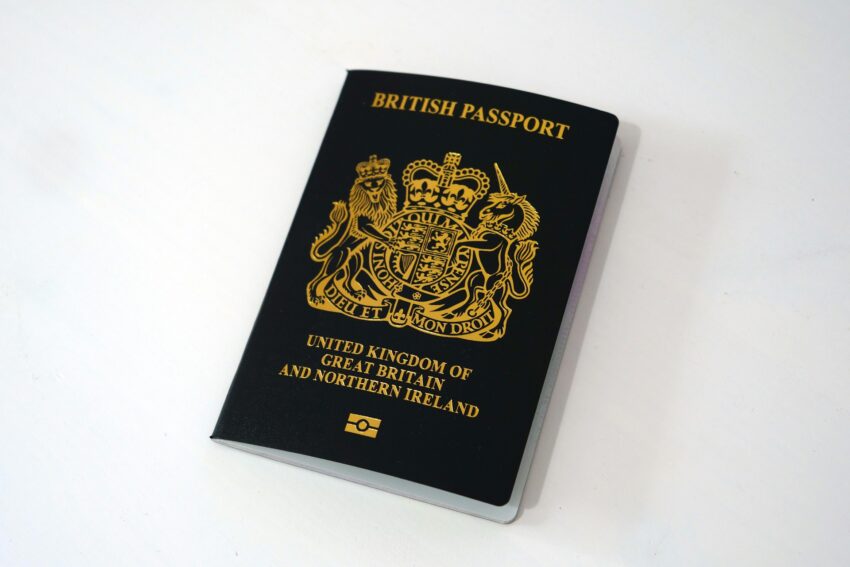
A UK visa is a crucial document for individuals wanting to enter and stay in the United Kingdom for various reasons, like tourism, education, work, or family reunification.
Defining UK Visa: A UK visa is a government-issued authorization that allows foreign nationals to enter, stay, or work in the United Kingdom for a specific purpose and duration. It’s essentially a permit that grants legal permission to be in the UK.
What Are the Different Types of UK Visas?
There are 10 different types of UK visas based on the purpose of your visit. These include work visas, for individuals who have a job offer in the UK from an approved employer; student visas, for individuals 16 years old or older who have been offered a place on a course by a licensed student sponsor; visitor visas, which allow tourists, business visitors, or those seeking short-term study to stay for up to 6 months; family visas, for family members of British citizens or persons settled in the UK to join them; business visas, for business-related activities like meetings, conferences, and training; transit visas, for individuals who need to travel through the UK to reach another destination; permitted paid engagement visas, for individuals who wish to engage in specific paid work activities in the UK; marriage visas, for individuals who are planning to marry a British citizen or someone settled in the UK; UK visa exemptions, which allow citizens of the European Economic Area, Switzerland, and Commonwealth countries with certain conditions to enter the UK without a visa; and UK ancestry visas, for individuals who have a grandparent who was born in the UK.
What Are the General UK Visa Requirements?
There are four general requirements for most UK visas: a valid passport, proof of funds, a detailed travel itinerary, and a return ticket. Your passport must be valid for at least 6 months beyond your planned stay in the UK. You need to show that you have enough money to support yourself during your stay in the UK, which is typically around £1,270 per month. You’ll also need a detailed travel itinerary, including your planned arrival and departure dates, as well as your intended activities in the UK. Finally, you’ll need to show proof of a return ticket to your home country.
What Are the UK Visa Application Steps?
Applying for a UK visa is a straightforward process, involving six main steps: Determine the type of visa you need; complete the online application form; gather the required documents; pay the visa fee; schedule and attend a biometric appointment; and submit the application. The first step is to identify the visa category that aligns with your purpose for visiting the UK. The UK visa application is entirely online through the official UK Visas and Immigration website. Ensure you have all the necessary documentation, including your passport, proof of funds, travel itinerary, and return ticket. The visa fee depends on the type of visa and length of stay. You will need to schedule a biometric appointment at a visa application centre to provide your fingerprints and photograph. Once you have completed the application form and gathered all the necessary documents, you can submit your application online.
What Are the UK Visa Fees?
The cost of a UK visa depends on the visa type and the length of your intended stay. For example, a Standard Visitor visa costs £115 for a stay of up to 6 months.
Here is a table summarizing UK visa fees:
| Visa Type | Fee (GBP) |
|---|---|
| Standard Visitor Visa (up to 6 months) | £115 |
| Student Visa (up to 3 years) | £348 |
| Work Visa (up to 5 years) | £625 |
| Family Visa (up to 5 years) | £1,523 |
| Business Visa (up to 6 months) | £115 |
What Is the UK Visa Processing Time?
The processing time for a UK visa varies depending on the type of visa you apply for and your nationality. Non-settlement visas typically take three weeks for applications from outside the UK. Settlement visas (for permanent residency) can take up to 24 weeks.
It’s important to note that the processing time can be affected by factors like the volume of applications, the complexity of your application, and the need for further verification of documents.
What Are the Common Reasons for UK Visa Rejection?
Understanding why visa applications get rejected is crucial. Here are five common reasons for UK visa rejection:
- An incomplete application: The UK Visas and Immigration (UKVI) carefully scrutinize every aspect of your application. Incomplete or missing information can lead to refusal.
- A lack of funds: You need to demonstrate that you have sufficient financial resources to support yourself during your stay in the UK.
- Insufficient documentation: The UKVI requires specific documents to support your application. Providing incomplete or inadequate documentation can lead to rejection.
- Failure to meet eligibility criteria: Each visa category has specific eligibility criteria that you must meet. Not fulfilling these criteria can result in a refusal.
- Deception or fraud: Providing false information or fraudulent documents will result in a visa rejection and can have serious consequences.
What Are the Tips for a Successful UK Visa Application?
Preparing a strong and convincing visa application is essential to increase your chances of success. Here are eight tips for a successful UK visa application:
- Apply early: Don’t wait until the last minute to apply for your visa. Apply well in advance of your planned travel date to allow for processing time.
- Know your visa type: Carefully research and understand the specific visa category that applies to your situation.
- Prepare supporting documents thoroughly: Gather all required documents and ensure they are accurate and complete.
- Pay the visa fee: Make sure you pay the correct visa fee based on your visa type and length of stay.
- Use visa services if needed: Consider using a visa application service if you need assistance with the application process.
- Submit a flight itinerary as a supporting document: This can be a helpful document to demonstrate your intentions to return to your home country.
- Be truthful and accurate: Provide honest and accurate information in your application.
- Consider the impact of your criminal record: A criminal record can affect your visa application.
What Is the UK Visitor Visa?
A UK Visitor Visa allows individuals to visit the UK for tourism, business, or short-term study. It permits stays of up to 6 months.
What Is the UK Student Visa?
A UK Student Visa allows individuals who have been offered a place on a course by a licensed student sponsor to study in the UK. It’s for individuals 16 years old or older.
What Is the UK Work Visa?
A UK Work Visa is for individuals who have a job offer in the UK from an approved employer. You must meet specific eligibility criteria to qualify for this visa.
What Is the UK Family Visa?
A UK Family Visa allows family members of British citizens or persons settled in the UK to join them. This category includes spouses, partners, children, parents, and other eligible family members.
What Is the UK Business Visa?
A UK Business Visa is for individuals engaging in business-related activities in the UK, such as meetings, conferences, or training. It’s for short-term stays.
What Are the UK Visa Exemptions?
Citizens of the European Economic Area (EEA), Switzerland, and Commonwealth countries can sometimes enter the UK without a visa, depending on their specific circumstances.
What Are the UK Visa Application Documents?
The required documents for a UK visa application can vary depending on the type of visa you are applying for. However, here are some common documents:
- A valid passport: It must be valid for at least 6 months beyond your planned stay in the UK.
- Proof of financial means: You must show that you have enough money to support yourself during your stay in the UK. This is typically around £1,270 per month.
- Accommodation details: Provide details of where you will be staying in the UK.
- Travel itinerary: Include your planned arrival and departure dates, as well as your intended activities in the UK.
- Current photographs: You will need to provide recent passport-style photographs that meet specific requirements.
- Sponsorship certificate (if applicable): If you are applying for a student visa or a work visa, you will need a sponsorship certificate from your sponsor.
What Is the UK Visa Biometric Appointment?
A UK Visa Biometric Appointment is an essential part of the visa application process. At this appointment, you will provide your fingerprints and a photograph. Biometric appointments can be scheduled online through the UK Visas and Immigration website.
What Is the UK Visa Appeal Process?
If your UK visa application is refused, you have the right to appeal the decision. You must appeal within 28 days of the refusal date.
What Is the UK Visa Refusal Letter?
If your visa application is refused, you will receive a UK Visa Refusal Letter from UK Visas and Immigration. The letter will explain the reasons for the refusal.
What Is the UK Visa Priority Service?
The UK Visa Priority Service is an optional service that allows for faster processing of visa applications. You can pay an additional fee to use this service.
What Is the UK Visa Validity Period?
The validity period of a UK visa depends on the type of visa you have. For example, a Visitor visa is typically valid for 6 months, while a Work visa can be valid for up to 5 years.