
The UK’s religious and belief structure is diverse, with Christianity being the most prevalent faith, followed by a significant proportion of people identifying as having no religion.
While the UK upholds a strict separation of church and state, religion continues to play a vital role in the lives of many Britons and in shaping national identity. Due to the UK’s long history of immigration, a wide variety of other religions and beliefs are also present.
Which Religions Are Visible in the UK?
Within the UK’s religious landscape, there is a significant presence of Christianity, Islam, Judaism, Hinduism, Sikhism, Buddhism, and atheism. The UK also has a growing number of people who identify as agnostic or spiritual but not religious.
As the UK has a diverse religious population, religious education is offered in schools, but it is not compulsory.
Here’s a more detailed look at some of the most prevalent religions in the UK:
1. Christianity in the UK
Christianity is the largest religious group in the UK, with a significant majority of the population identifying as Christian. The Church of England is the established church, meaning it has a special relationship with the state, but all faiths are equally respected and protected.
Within Christianity, there are various denominations, including Catholicism, Methodism, Presbyterianism, and Baptists.
Notable Christian churches and cathedrals in the UK include:
- Westminster Abbey
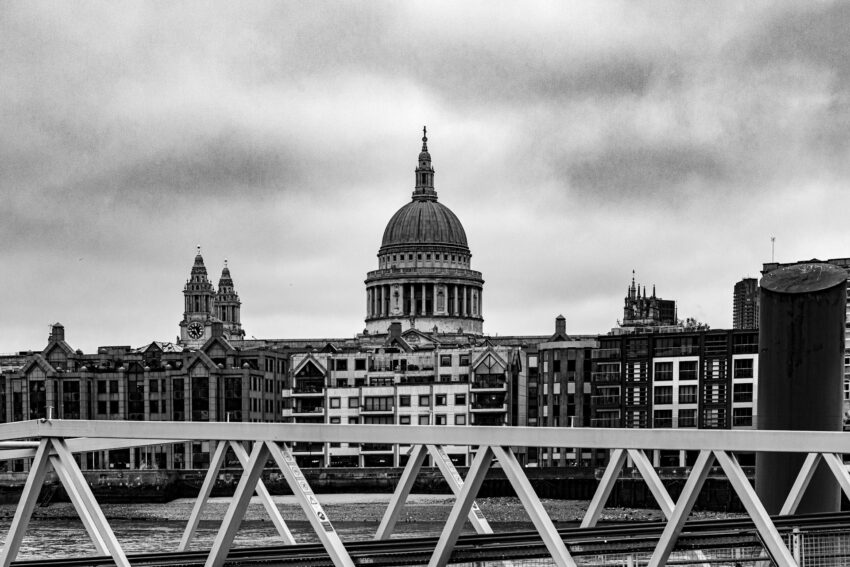
- St. Paul’s Cathedral
- York Minster
- Canterbury Cathedral
Many individuals have contributed to Christianity in the UK, including:
- Saints: Saint Alban, Saint Bede, Saint David, Saint Patrick
- Clergy: Archbishop of Canterbury, Archbishop of York, Cardinal Vincent Nichols
- Theologians: Rowan Williams, John Henry Newman, C.S. Lewis
2. Islam in the UK
Islam is the second-largest religion in the UK, with a growing number of Muslims. The majority of Muslims in the UK are Sunni Muslims, followed by Shia Muslims.
There are over 1,500 mosques in the UK, with some of the most notable being:
- The London Central Mosque
- The Birmingham Central Mosque
- The Shah Jahan Mosque (Wolverhampton)
Prominent Islamic figures in the UK include:
- Shaykh Muhammad al-Yaqoubi
- Dr. Taj Hargey
- Dr. Ziauddin Sardar
3. Judaism in the UK
Judaism has a long and rich history in the UK, with a significant Jewish community. The majority of Jewish people in the UK belong to Orthodox, Reform, or Liberal Judaism.
Some of the most important synagogues in the UK include:
- The Great Synagogue (London)
- The New West End Synagogue (London)
- The Manchester Reform Synagogue
Famous Jews who have made significant contributions to the UK include:
- Writers: Salman Rushdie, Zadie Smith, Harold Pinter
- Politicians: Margaret Beckett, Michael Howard, David Miliband
- Scientists: Isaac Newton, Albert Einstein
4. Atheism in the UK
Atheism is on the rise in the UK, with a significant portion of the population identifying as having no religion. This is largely attributed to increasing secularization and a growing trend of people questioning religious beliefs.
Notable atheists in the UK include:
- Philosophers: Bertrand Russell, A.J. Ayer
- Scientists: Richard Dawkins, Stephen Hawking
- Writers: Christopher Hitchens, Sam Harris
5. Other Religions and Beliefs
Other religions and beliefs present in the UK include:
- Hinduism: With a growing Hindu community in the UK, there are numerous Hindu temples and organisations dedicated to promoting cultural and religious practices.
- Sikhism: The UK has a vibrant Sikh community with several gurdwaras (Sikh temples) throughout the country.
- Buddhism: There is a growing number of Buddhists in the UK, with various Buddhist temples and centres offering teachings and meditation practices.
What is Religious Tolerance Like in the UK?
The UK is generally regarded as a tolerant and inclusive society, where individuals are free to practice their faith without fear of discrimination. However, there have been instances of religious intolerance, particularly towards Muslims, Jews, and other minority groups.
The government has taken steps to combat religious hatred and discrimination through legislation and initiatives promoting interfaith dialogue and understanding.
How Strong is Secularism in the UK?
The UK is a secular state, meaning there is a strict separation of church and state. The government does not endorse or favour any particular religion. While the Church of England has a special relationship with the state, it does not have any formal role in government decision-making.
Secularism is evident in various aspects of British life:
- Education: Religious education is offered in schools but is not compulsory.
- Law: Laws are based on secular principles, and religious courts do not have jurisdiction over civil matters.
- Public life: The government does not impose religious requirements on citizens or institutions.
However, the influence of religion can still be seen in various aspects of British culture, such as national holidays and religious symbols in public spaces.
How Do Religion and Belief Affect Social Life in the UK?
Religion and belief continue to play a significant role in British society, influencing social values, cultural practices, and political discourse.
- Social Values: Religion shapes views on issues such as marriage, family, sexuality, and social welfare.
- Cultural Practices: Religious festivals and traditions are celebrated by various communities, contributing to the diverse cultural landscape of the UK.
- Political Discourse: Religious groups and leaders often engage in political debates, advocating for policies that align with their values.
What is Religious Education Like in the UK?
Religious education is a compulsory part of the curriculum in most state-funded schools in the UK. However, it is taught in a balanced and objective manner, aiming to provide students with an understanding of different faiths and beliefs.
Students can opt out of religious education classes if they have a conscientious objection.
The curriculum for religious education typically covers:
- Christianity: The history, teachings, and beliefs of various Christian denominations.
- Other World Religions: An overview of major world religions, including Islam, Hinduism, Buddhism, Sikhism, and Judaism.
- Non-religious beliefs: Exploring secular perspectives and ethical systems.
In addition to school-based religious education, there are various religious institutions and organisations that offer educational programmes for people of all ages.